
by Steve Kushturian [January 2023]
Recipient of the Michael Cox Vintners’ Bursary, sponsored by the Worshipful Company of Vintners based on performance in Level 4 Diploma in Wines | D6 – Independent Research Assignment
Up until 2000, cork was the wine closure for over 95% of bottles, in 2017 it was 70%. In 2019 it was approximately 60%.
Cork is a natural product harvested from the bark of the cork oak tree, Quercus Suber. Its history dates back over 4000 years as a wine bottle closure and has been the standard seal since the 17th century with many benefits attested to by its continuous use to date.
A cork tree takes 25 years to develop its first bark and is harvested every 9 years from its 2nd bark. Rising demand for wine has put a strain on the cork industry. Poor quality control procedures, standards and lack of innovation resulted in many below-standard corks being sold.
Cork has several flaws, mainly causing cork taint, premature oxidation and bottle variation in wines resulting in wines being ruined, unsaleable or returned, incurring heavy financial and reputational losses across the supply chain and unhappy customers.
In the late 1990s in Australia and New Zealand, wines had significantly high levels of cork taint which spurred the search for alternative non-cork closures. In 2000 screwcaps became the closure of choice for many Australian producers. In 2001, 30 wineries from New Zealand banded together to form the Screwcap Initiative. By 2010, 90% of New Zealand wines were bottled under screwcap. This changed the wine bottle closure landscape forever.
This essay examines 3 key areas. Firstly, the reasons for the development of alternative closures to cork. Secondly, evaluating non-cork closure options for sealing a glass bottle and lastly, examining the cork industry’s response and solutions.
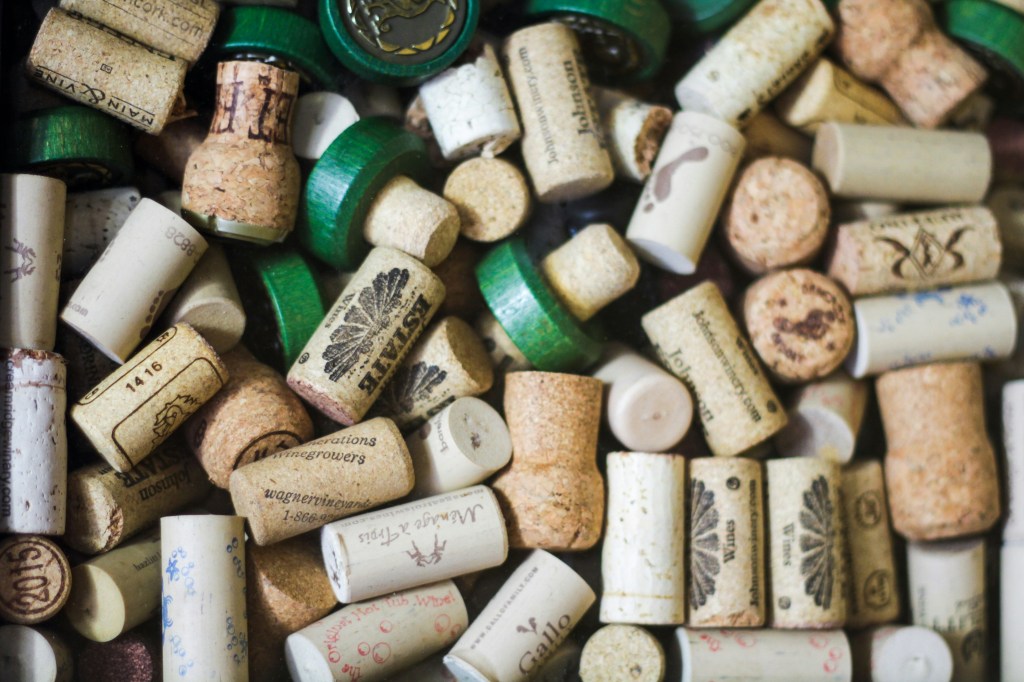
Photo by Thomas Eser on Unsplash
 My Wine Adviser